Before buying, selling or refinancing a property, understand the elevator condition, maintenance obligations and capital needs behind the transaction. TEC’s due diligence reviews equipment and available records to identify deferred maintenance, remaining useful life, contract obligations and capital-planning needs for your vertical transportation assets. Tell us your transaction deadline early so we can confirm access, scope and the reporting schedule. A transaction review has a different purpose from an elevator audit focused on maintenance accountability.
- $8,000 in deferred maintenance found per elevator, on average
- Was it really modernized? We check.
- Remaining useful life and capital costs forecast
- Deferred maintenance and code issues identified
- Repair and reserve estimates for your negotiation
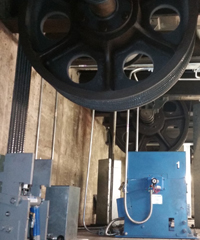
A property’s due diligence can include elevators, escalators and other vertical transportation equipment within the agreed scope. Our escalator consulting page explains considerations specific to that equipment; it does not mean a separate engagement is always required.
Confirm the property assessment scope
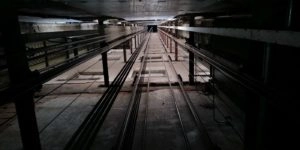 It takes a qualified expert to assess the vertical transportation equipment, which consists of hydraulic elevators, traction elevators, escalators, lifts, dumbwaiters, and more.
Check what your property assessment actually includes and who will evaluate the elevator systems. A general assessment may rely on available records or a limited observation; a specialist review can add equipment, maintenance-history and contract analysis. Agree on the scope and qualifications rather than assuming every assessment provides the same information. Confirm whether the review addresses condition, usage, remaining useful life and deferred maintenance, and identify any information that could not be verified.
Selling a Building or Set of Buildings
For a seller, elevator due diligence identifies equipment condition, deferred maintenance and expected capital needs before a transaction. TEC’s findings help the seller prepare for buyer questions and evaluate repair or upgrade needs. A transaction report is not automatically the contractor punch list used in an ongoing maintenance audit; agree on any follow-up work separately.
Buying a Building or Set of Buildings
When buying a building, bringing in an elevator consultant and not relying on the building data or building personnel can identify costs and risks that affect the transaction. An elevator consultant is an independent industry expert who can determine the condition of the equipment, code requirements needed, and deferred maintenance. TEC reviews available vertical transportation records and equipment conditions to help the buyer understand costs and uncertainties that may affect the purchase price, reserves or requested escrow.
More on Elevator Due Diligence
Proper due diligence is essential when analyzing a potential acquisition or sale. Past records associated with a building’s vertical transportation system can uncover clues to future maintenance and repair. It could also be the “canary in the coal mine” alerting you that the time for an expensive elevator upgrade is on the horizon. Unless an independent elevator consulting firm is involved in the due diligence process, interested buyers could be unaware of the full financial picture.
TEC combines an on-site equipment review with available maintenance, inspection and testing records. Reports required by the Authority Having Jurisdiction (AHJ) are important evidence, but they do not replace due diligence into condition, deferred maintenance and future capital needs. Applicable ASME A17.1 requirements depend on the equipment and jurisdiction. The review considers the relevant systems, including traction or hydraulic equipment, and identifies findings, estimates and items that need further investigation.
Buying or Selling? Our Elevator Consultants Ensure the Due Diligence Process is on Your Side
Due diligence helps buyers and sellers understand how elevator maintenance, remaining equipment life and pending work affect a transaction. Buyers can use the findings in budget and negotiation discussions; sellers can prepare records and address questions before closing. A negotiated price adjustment, reserve allowance, avoided expense and realized credit are different financial outcomes. None is guaranteed by the review.
Why Elevator Due Diligence Matters for Commercial Real Estate Transactions
Elevator systems are often one of the most expensive assets in a building, yet also one of the most overlooked during property transactions. Elevator due diligence gives buyers and sellers the clarity needed to assess:
- Remaining life expectancy of elevator components (including controllers, door operators and hoist motors)
- Pending capital expenditures related to repairs, modernization or applicable code requirements
- Hidden risks like deferred maintenance, safety code violations, or obsolete parts
- Elevator maintenance contract obligations and service provider performance
- Observed equipment operation, including door operation and ride conditions that may affect occupants or warrant further investigation
On average, we find $8,000 in deferred maintenance per elevator, and we uncover the full history of the elevators or escalators. It is common to assume a modernization means everything was replaced, when in fact it may not have included major, costly items like machines or door equipment, which can cost tens of thousands to hundreds of thousands of dollars depending on the number of elevators. It is key to check whether a claimed modernization actually happened: which components were replaced, which were reused, and what that means for remaining life. In a transaction, those costs belong in the negotiation, not in the new owner’s first-year budget or CAPEX.
Who Needs Elevator Due Diligence Services?
We provide elevator and vertical transportation due diligence for:
- Commercial real estate firms and real estate investment trusts (REITs)
- Private equity firms and investment groups
- Hospital systems and healthcare facilities
- Hotel owners, brands, and asset managers
- Property management companies
- Condo associations and residential building owners
- Retail operators and mall management
- Universities and institutional campus managers
Whether you’re adding a property to your portfolio or preparing for disposition, our elevator due diligence process ensures your deal is built on verified data, not assumptions.
What’s Included in Our Elevator Due Diligence Reports?
An elevator due diligence report organizes the equipment, records and financial-planning information needed for the transaction. Depending on the agreed scope and available information, it addresses:
- Equipment Review (elevators, escalators, lifts, dumbwaiters)
- Deferred Maintenance
- Current equipment condition and code
- Observed ride and door operation; specialized performance testing, if separately included in the scope
- Maintenance history and callback frequency
- Review of current maintenance contract terms
- Remaining useful life and elevator modernization and /or upgrade recommendations
- Repair cost estimates
- Capital planning forecast
- Immediate action item list (critical safety issues or deal-impacting items)
- Reserve recommendations
Why Relying on Elevator Equipment Age or Service Provider Input Is a Costly Mistake
It’s common during property acquisitions for buyers to make assumptions based solely on the age of the elevator equipment, for example, estimating that a 15-year-old system has 5 to 10 years of useful life remaining. Often, they’ll also ask the building’s elevator service provider for their opinion on the condition of the equipment. While this approach may seem practical, it is fundamentally flawed.
In reality, some elevator systems begin to fail as early as 12 to 15 years due to heavy usage, poor maintenance, engineering, OEM expected life cycle, or equipment that has become obsolete. When parts are no longer available or are extremely difficult to source, building owners are often forced into costly modernizations or upgrades with little warning.
Relying on the elevator service provider the same company responsible for maintaining the equipment- introduces a clear conflict of interest. Naturally, they will report that the elevators are performing well, even if underlying issues exist.
We also frequently see buyers depend on reports from consultants hired by the seller or another party involved in the transaction. While well-intentioned, these reports are often not completed for you; they are written for someone else and their strategy. This shortcut can result in high unforeseen costs post-property acquisition.
The truth is, spending a few thousand dollars on a comprehensive, independent elevator due diligence assessment can help buyers identify financial exposure by avoiding unexpected elevator repairs, premature modernizations, deferred elevator maintenance, or safety compliance issues.
At The Elevator Consultants, we’ve seen this scenario play out far too often. A proper due diligence process is not a luxury; it’s a necessity.
Not All Elevator Modernizations Are Created Equal
It’s common for sellers to claim that the building’s elevators have been “modernized.” However, this statement often lacks critical detail. The real question is: what exactly was modernized?
Incomplete or partial modernizations are surprisingly common. For instance, the controller and hoist cables may have been replaced, but key components such as the door equipment, fixtures, or safety systems may have been left untouched. In other cases, cosmetic upgrades like cab interiors are presented as full modernizations, when in fact the mechanical and electrical systems remain outdated or require work under the applicable code.
Understanding precisely which components were upgraded, and which were not, is essential to evaluating the true condition, performance, and future investment needs of the elevator system. Elevator due diligence reviews the modernization scope and remaining equipment to identify gaps that may affect future costs.
Are You Relying on the Seller’s Elevator Records? Don’t.
Too often, property buyers rely on maintenance logs, invoices, or verbal input from on-site personnel or the current elevator service provider. This can lead to missed red flags.
Without an independent elevator consultant, you may unknowingly inherit:
- Obsolete elevator equipment with unavailable parts
- A failing controller or machine nearing end-of-life
- Code violations that require expensive retrofitting
- Performance issues affecting tenant satisfaction
Glossary of Key Elevator Due Diligence Terms
- Elevator Due Diligence: An independent review for a purchase, sale or refinancing decision. It considers equipment condition, deferred maintenance, remaining useful life and expected capital needs, while identifying missing information and planning assumptions.
- Vertical Transportation: Systems that move people or goods vertically (elevators, escalators, lifts, moving walkways).
- Elevator Modernization: The process of upgrading critical elevator components to improve safety, performance, reliability, and /or compliance.
- Deferred Maintenance: Maintenance that has been postponed (or not completed) and may result in increased repair costs or system failure.
- Elevator Callback: A service visit requested between scheduled maintenance visits due to an elevator malfunction, irregular performance, or reported issue. In these cases, the building contacts the elevator service provider to address a specific problem or concern with the equipment
- Hydraulic Elevator: A type of elevator driven by a piston and hydraulic fluid, typically used in low-rise buildings.
- Traction Elevator: Uses ropes and counterweights, typically found in mid- to high-rise buildings.
- Elevator Audit: A review of equipment condition, maintenance records and contract performance for owner accountability. Its purpose and reporting differ from transaction due diligence; neither replaces a required code inspection.
- ASME A17.1 / CSA B44: Elevator and escalator safety code used throughout North America.
- Elevator Maintenance Agreement Audit: Evaluation of the current elevator contract to assess service value, compliance, and vendor performance.
Scope the review around your transaction deadline
Send the property address, equipment list if available and the date your acquisition team needs the findings. Include maintenance agreements and amendments, service and callback records, inspection and testing reports, and any open repair or modernization proposals. Identify missing records and access restrictions early.
Agree on the report’s use: near-term repair exposure, maintenance obligations after closing, and capital-planning assumptions. A report should distinguish documented findings from estimates or items requiring further investigation so your acquisition team can decide what belongs in the budget and what needs a follow-up question.
Prepare for elevator due diligence; discuss your transaction deadline.
Frequently Asked Questions
What is elevator due diligence?
It is an independent review of vertical transportation equipment and records for a purchase, sale or refinancing decision. TEC considers condition, deferred maintenance, remaining useful life and capital needs so the transaction team can evaluate costs and uncertainties.
How long does an elevator last?
Typical life expectancy ranges from 20 to 30 years, but usage, environment, engineering and maintenance quality greatly affect lifespan. Some equipment has a shorter life of 12 to 15 years. These are general planning ranges, not a forecast for a specific unit; due diligence evaluates the actual equipment and maintenance history.
Can I rely on my elevator service provider’s report?
Use it as one source of information. Elevator service providers may have a conflict of interest when assessing their own work. An independent consultant can compare the records with equipment conditions and the needs of your transaction.
Schedule a no-obligation consultation or call (312) 519-9949.
Service Areas
The Elevator Consultants provides elevator due diligence services across the United States, serving clients in all areas, including Atlanta, Chicago, Los Angeles, Boston, Washington, DC, Indianapolis, Dallas, Cincinnati, Tallahassee, Jacksonville, New York City, Charlotte, Houston, Baltimore, Pittsburgh, Philadelphia, Miami, Phoenix, New Orleans, and beyond. Whether you are managing a high-rise office building, a healthcare facility, or have a retail property portfolio, our team provides elevator due diligence nationwide.