An elevator audit is an independent, top-to-bottom review of how your elevators are being maintained, what condition they are truly in, and whether your service contract is delivering what you pay for. Unlike a code inspection, which checks minimum safety, an audit is about performance, cost, and protecting one of your building’s largest capital investments.
- $8,000 in deferred maintenance found per elevator, on average
- Overdue code-required testing identified
- Worn parts identified before they fail
- Elevator downtime cut over 72% for a medical facility and 57% for a commercial building
- $300,000+ recovered for one client in a single year
An elevator audit, or vertical transportation audit, can contain many components – from simple to complex. Some examples include an elevator maintenance audit, a maintenance condition assessment, a performance and equipment evaluation, a survey, an asset management review, an equipment audit or evaluation, or a preventive service audit.
An elevator audit establishes whether a building owner is getting the maintenance, the equipment condition and the value they are paying for. You may have been told you need an elevator assessment, a survey, an evaluation, a condition report or an inspection. Owners use all of those words for the same thing, and most of the time what they are describing is an audit. The exception is an inspection, which is a different exercise answering a different question, and the difference is set out below.
We work with hospital systems, universities, retailers, hotels, corporate campuses and property managers, on multi-state portfolios and on single buildings with one elevator.
Why Elevator Audits Matter: The Hidden Cost of Deferred Maintenance
Before diving into specifics, it is crucial to understand that elevator systems represent one of your building’s largest capital investments. Without a documented review, recurring faults, maintenance gaps and capital needs can remain unresolved. The effect depends on the equipment and service history. An elevator audit acts as your early warning system, identifying issues before they become expensive emergencies.
We focus on understanding the clients’ needs first, and then develop an approach to address them. Once we have gathered the necessary information, we focus on determining the state of the equipment, the types of necessary repairs and, if applicable, whether an elevator modernization, new maintenance agreement, or additional preventive maintenance is in order. We develop a plan based on your building operation requirements.
The Elevator Consultants Audit Process: What Sets Us Apart
Our comprehensive approach follows a proven three-phase methodology that ensures nothing is overlooked:
Phase 1: Initial Consultation & Document Review
- Review of current elevator maintenance contracts and service records
- Analysis of callback history, repairs, proposals and invoices
- Confirm compliance documentation
- Assessment of current building concerns, tenant complaints and service interruption logs
Phase 2: On-Site Equipment Survey
- Machine room evaluation
- Hoistway assessment
- Cab condition review
- Pit survey
- Overall elevator system examination
Phase 3: Performance Testing
- Door operation timing and force measurements
- Ride quality analysis using specialized accelerometers
- Emergency communication system verification
- Safety device
Throughout the process, we focus on industry safety standards, current code details, elevator usage, the current maintenance state of the building, plus equipment age, type, and reliability.
Critical Components We Evaluate
Understanding what we examine helps you appreciate the thoroughness of a professional elevator audit:
Mechanical Systems:
- Traction machines or hydraulic pumps
- Ropes, cables, and belt conditions
- Brake systems and other mechanisms
- Counterweights and guide systems
Control Systems:
- Controller type
- Drive systems
- Position and speed sensors
- Door operator mechanisms
Code Compliance:
- ASME A17.1/CSA B44
- ADA accessibility compliance
- Amendments adopted by the Authority Having Jurisdiction (AHJ)
- Fire service operation requirements
Make each finding actionable
A useful finding identifies the equipment, the observed issue and the evidence behind it. It then sets out the proposed action, the relevant maintenance obligation where applicable, and what still needs to be confirmed. Ask for findings that separate service-provider follow-up, owner-funded work and further investigation.
Agree on how urgent concerns will be communicated, who will request the provider’s response and what evidence will close an item. If you need follow-up beyond the report, include it in the engagement scope.
Review maintenance contract coverage or scope an acquisition assessment.
Elevator Audit Results

An elevator audit determines how the elevator system as a whole is being serviced and maintained. This includes a thorough review of the building’s current elevator maintenance plan, existing service contracts, and elevator equipment. Audits consistently result in better performance and service.
What Our Audits Reveal: Common Findings
Maintenance Contract Gaps: An audit checks whether the maintenance agreement includes critical components such as:
- Rope or belt replacement
- Controller
- Machines
- Drives
- Many other items that should be covered
Hidden Overcharges: We routinely identify:
- Duplicate billing for covered services
- Premature component replacement recommendations
- Unnecessary “upgrades” that do not improve performance
- Callback charges that should be covered under contract
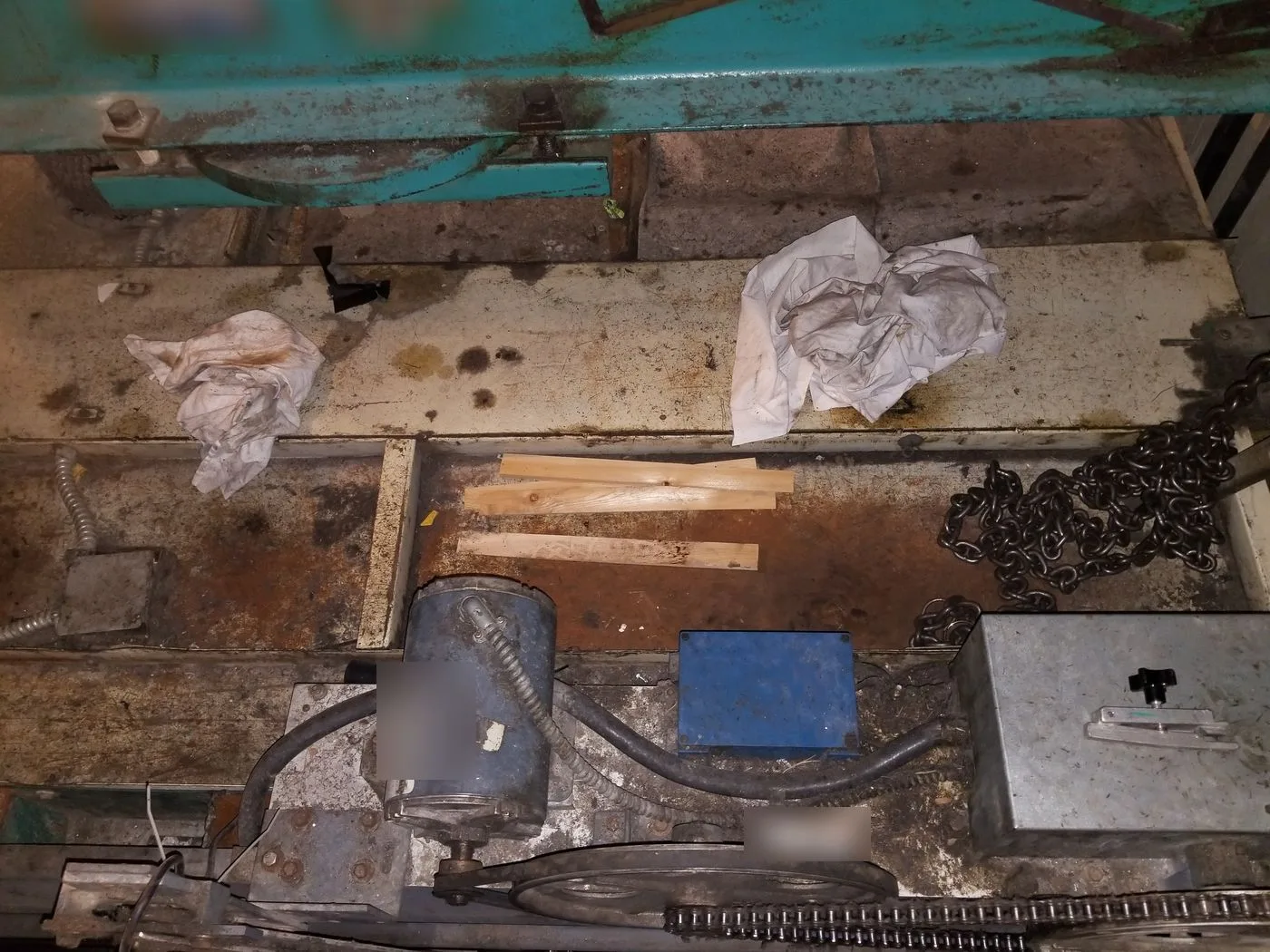
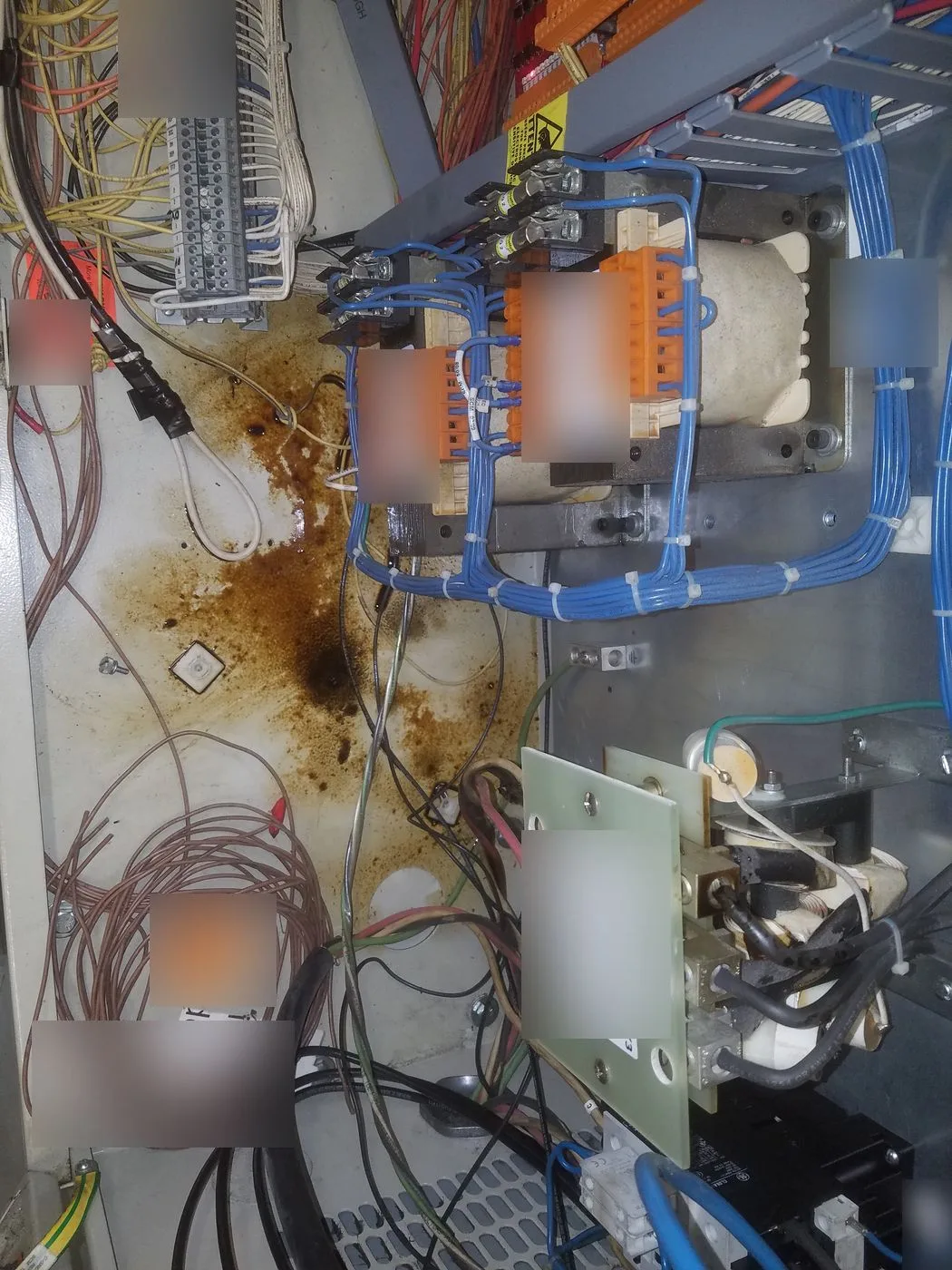
TEC examines maintenance delivery, equipment condition and spending to identify opportunities for improvement. Results depend on the building and the issues found.
Verify a finding before reporting a result
When service records appear inconsistent with the maintenance agreement, identify the required task, the reported work and the missing evidence. Ask the provider to respond before treating a concern as a confirmed failure. Record any agreed credit separately from a proposed saving or a change in operating performance.
Technology and Methodology
The Elevator Consultants uses advanced technology and proven methods to perform onsite elevator audits. We use industry best practices, which we were often the first to develop, to ensure all bases are covered and the full system is reviewed.
Our Advanced Diagnostic Tools
Digital Ride Quality Analysis. We employ accelerometers to measure:
- Vertical acceleration and deceleration rates
- Lateral movement and rail alignment issues
- Ride acceleration and deceleration characteristics
- Vibration characteristics
Thermal Imaging Technology The diagnostic methods used for an audit depend on the equipment, observed conditions and agreed scope. TEC can provide specialized diagnostic methods, including infrared or thermal imaging, when appropriate. These methods are not automatically included in every audit. When selected, thermal imaging can help identify temperature patterns that warrant further investigation, such as:
- Overheating motors and drives
- Electrical connection problems
- Brake drag issues
- Signs of abnormal controller-component temperature that need further investigation
Various Testing Equipment
- Visual and measurement tools
- Calipers, gauges, sound meters, etc.
- Multimeters, analyzers, etc.
An elevator audit, or vertical transportation condition assessment, can take different paths because every building is unique. Our proven elevator consulting approach is to analyze current building needs and find areas of opportunity. In some cases, clients want us to confirm their management process or provide a snapshot of the equipment status. In other cases, we are asked to develop a clear picture of elevator capital expenditures and whether the existing service contracts are robust enough.
An audit and an inspection are not the same thing
| An inspection | An audit | |
|---|---|---|
| The question it answers | Was the equipment in compliance on this date | Is the owner getting the maintenance, the condition and the value being paid for |
| Measured against | The safety code | The service contract, the maintenance record, and the equipment’s actual condition |
| Who it is for | The Authority Having Jurisdiction (AHJ) and the owner’s compliance file | The owner |
| Typical output | Pass, or a list of violations to correct | Findings, deferred maintenance, contract gaps, and what to do about each |
| What it will not tell you | Whether your contractor is performing the work you pay for | An audit does not substitute for a required code inspection or establish an official inspection status. |
Neither one substitutes for the other. We perform both, which is how we know that. If it is the left-hand column you are dealing with, what an elevator inspection does and does not cover is the fuller explanation.
The same audit discipline applied to open machinery is escalator consulting.
Types of Audits We Perform
It should be stated that an elevator audit can be referred to by different names such as an elevator assessment, elevator survey, elevator service audit, and more. It is also common for people to call it an elevator inspection, in which an elevator inspection is performed by an authority having jurisdiction to get your certificate of elevator operations. The local authority having jurisdiction (AHJ) inspection is usually completed annually; however, some states and local municipalities require a more frequent schedule. Check with your AHJ or call us, and we will let you know.
Due Diligence Audits For property acquisitions, we provide:
- Unbiased review of the current condition of the equipment
- Remaining useful life assessments
- Capital planning projections (5, 10, and 20-year)
- Deferred maintenance uncovered
- Code review
- Other equipment recommendations
Insurance Claim Audits. Following equipment damage, we determine:
- Pre-existing conditions vs. sudden damage
- Analysis of the claim
- Proper repair scope and methods
- Fair market pricing for repairs
- Coverage interpretation assistance
Preventive Maintenance Audits: To optimize your current service and maintenance program:
- Service performance verification
- Identify the maintenance control program (MCP) and adherence
- Current situation of elevator equipment: elevator parts availability, elevator obsolete parts, replacement, etc.
- Upgrades are necessary for performance and code requirements
- Punchlist of deferred maintenance
- Lifecycle and reserve study budgets
- Categorize short-term and long-term planning for elevator issues
Our focus is to use technology and expertise to discover opportunities to improve elevator costs, earnings, safety and overall value.
Return on Investment Opportunities
An audit may identify work already covered by the owner’s agreement. Any financial result should distinguish realized credits, avoided approved expenditure and projected benefits, and account for consulting fees.
That distinction matters. Uncovering deferred maintenance an owner has to pay to correct is useful, but it is a discovered liability, not a return. The return comes from the portion that was already covered by the agreement being paid for and was not being performed. That is money the owner does not spend, and it recurs for the life of the contract.
On maintenance agreements we renegotiate, reductions have ranged from 20 to 60 percent. The scope of work goes up at the same time. The scope going up alongside the price coming down is what makes the reduction hold. That work is set out under elevator maintenance contract consulting.
Across our audits, we find an average of $8,000 in deferred maintenance per elevator. For one client with elevators in five states, our work recovered more than $300,000 in a single year by surveying the equipment, reviewing invoices and analyzing service records. For buildings where uptime is imperative, elevator downtime fell more than 72% at a medical campus and more than 57% at a commercial building once the client corrected the deficiencies uncovered in the elevator assessment.
Building managers, owners, facility managers, malls, campuses, hotels, and investors know that a safe, well-run vertical transportation system is essential to building safety and operational cost. And we know this too – so we put your needs at the forefront of any audit. The Elevator Consultants understands that asset value and tenant safety go hand in hand. We also understand that smart businesses seek to maximize the long-term ROI on equipment by making sound decisions about elevator management, elevator maintenance, repairs, addressing deferred maintenance, and potential elevator modernization.
Quantifiable Benefits of Professional Audits
It is common for buildings to receive an immediate ROI from an elevator audit. The full ROI is based on the building, number of elevators, type of elevator or escalator, operational efficiencies of the building and team.
Immediate Cost Savings:
- Contract review: identify differences between the work paid for and the work covered or delivered
- Callback review: distinguish recurring problems and chargeable work from covered service
- Maintenance planning: address documented deficiencies and assess remaining service potential
Long-Term Asset Protection:
- Capital planning: assess which work is necessary now and which decisions need more evidence
- Repair planning: use recurring faults and service records to prioritize action
- Asset decisions: document equipment condition and unresolved costs for ownership
Risk Mitigation:
- Identify service deficiencies
- Address and resolve elevator concerns
- Reduced liability exposure through code compliance
- Documentation for building efficiencies, reducing costs, insurance claims, etc.
- Protection against overpriced repair recommendations
Even if an elevator system is fairly new, The Elevator Consultants’ elevator audit process can find room for improvement in current productivity and the associated elevator cost. A vertical transportation maintenance audit may well reveal an imbalance between services and cost, or perhaps that the current management process has not been vigilant enough in keeping up with ASME A17.1 standards. Our goal is to find the best strategy to address areas of loss and turn them into an opportunity for gain. Our vertical transportation consulting reports have more often than not moved clients in a profitable direction. Let us achieve this for your building.
Signs You Need an Elevator Audit
Red Flags Requiring Immediate Attention:
- Callbacks exceeding 1 per elevator per month
- Entrapments
- Unknown Maintenance Control Program
- Vague service schedules
- Repeated repairs for the same issues
- Repeated calls for the same issues
- Maintenance and repair invoices with vague descriptions
- Equipment over 20 years old without an elevator life cycle plan
- No service reports or documentation provided
- Tenants complaining about wait times or ride quality or general elevator issues
Understanding Different Audit Components
Maintenance Contract Audit
A thorough review of your service agreement, examining:
- Coverage Scope: What’s actually included vs. excluded
- Performance Standards: Response times and uptime guarantee
- Pricing Structure: How you are charged for extras
- Termination Clauses: Your rights and obligations
Equipment Condition Assessment
Physical evaluation determining:
- Current State: Wear patterns and degradation levels
- Elevator Deferred Maintenance: Identify missed service
- Life Expectancy: Remaining useful years for major components
- Safety Compliance: Code violations requiring correction
- Performance Metrics: Speed, capacity, and efficiency ratings
Operational Performance Audit
Analysis of system efficiency, including:
- Concerns: Complaints like noises, ride issues, no show, invoice questions
- Wait Time Studies: Average and maximum passenger delays
- Energy Consumption: Power usage and regenerative capabilities
- Dispatch Efficiency: How well elevators respond to calls
- Traffic Flow: Peak usage patterns and bottlenecks, people waiting
Key Takeaways
- Comprehensive elevator audits identify hidden costs, elevator deferred maintenance and safety issues that routine maintenance often misses, supporting evidence-based spending decisions
- Professional audits support equipment-life planning through proper maintenance planning and early problem detection
- TEC audits look for documented improvement opportunities that enhance both building value and passenger safety
- Technology-driven assessments provide objective data for negotiations with elevator service providers
- Periodic audits help identify unresolved issues and help plan capital expenditures years in advance
- Independent elevator audits eliminate conflicts of interest present when service companies perform their own assessments
How to Start an Elevator Audit
Do not wait for a catastrophic failure or code violation to discover problems in your vertical transportation system. The Elevator Consultants makes starting simple: we begin with a no-obligation consultation to understand your specific needs, review your current situation, and recommend the appropriate audit scope. The schedule depends on the number and type of units, site access, available records and the scope of the review. Confirm the site-visit and report-delivery schedule with TEC before work begins. Contact us today to protect your investment and ensure your elevators are truly serving your building’s needs.
Want to know what your elevators are really costing you? A TEC elevator audit routinely pays for itself by catching what routine maintenance misses. Schedule a no-obligation consultation or call (312) 519-9949.
Frequently Asked Questions
How often should we conduct elevator audits?
It really depends on the usage and age of your equipment. Some buildings can do a full audit and then a mini one a few years later or TEC can teach your team how to do a spot check.
As a general guideline, for most commercial buildings and hospitals, we recommend comprehensive audits every 2-3 years, with simplified assessments annually. New buildings benefit from an initial audit after the warranty period expires.
What’s the difference between an elevator audit and an annual inspection?
Required code inspections evaluate compliance with the scope and schedule set by the Authority Having Jurisdiction (AHJ); they can include required maintenance and test records. An elevator audit separately evaluates equipment condition, maintenance quality and contract performance to identify issues and owner actions. It does not replace an inspection or guarantee savings or problem prevention.
How long does a typical elevator audit take?
Timing depends on the equipment, number of units, site access, available records and agreed audit scope. The site visit, analysis and written report are separate parts of the work. TEC will confirm the schedule for the assignment, including when findings and the report will be provided.
Can we perform an elevator audit ourselves?
While building staff can monitor basic elevator performance, professional audits require specialized knowledge of elevator contracts, elevator codes, maintenance standards, and diagnostic equipment. Independent elevator auditors also provide unbiased assessments that carry weight in negotiations with elevator service providers.
What should we prepare before an elevator audit?
Gather your maintenance contracts, service records for the past 2 years, recent inspection reports, callback logs, maintenance control program documentation, and any proposals you’ve received. Having these documents ready helps us maximize on-site time and provide more comprehensive recommendations.
Is an elevator assessment the same as an elevator audit?
Usually, yes. Assessment, survey, evaluation and condition report are all terms owners use for the same exercise: establishing what condition the equipment is in and whether the service being paid for is being delivered.
Can I audit my own elevators?
You can review your invoices and your service records, and you should. What is difficult without doing it every day is knowing what should be in the maintenance record, what the contract actually obligates the provider to do, and what the equipment’s condition is telling you that the paperwork is not.
What happens after the audit?
You receive written findings covering equipment condition, deferred maintenance, contract gaps and what each one is worth. What you do with them is your decision. Most owners use them to hold the provider to the existing agreement, and some use them to go back out to bid.
Use the findings after the visit
An audit should support the next decision. Keep open findings with the relevant equipment identifier, provider response and evidence needed to close the item. Read how to question an elevator report when a report lists activity without explaining the condition or next action.