
Editor’s note. As one of the top vertical transportation consulting firms in the United States, we get a lot of inquiries from buyers and sellers. Both parties want to conduct the necessary due diligence in any transaction. We often assist in evaluating everything with respect to elevators and other vertical transportation assets. In part 2 of our blog post on the topic of “Buyer Beware” for REITS and investors, we dig deeper into the subject.
As a REIT or an investor, you have the financial models that allow you to meet your goals for your investors. A REIT knows better than anyone their models and how to make a smart investment. Just as The Elevator Consultants (TEC) know elevators, escalators, lifts, and other vertical transportation assets.
As our world’s infrastructure gets older, you should not be caught with a building that has costly elevator and escalator problems. Here are several best practices. TEC is going to share with you a few of these to help protect your investors and your investment.
Know the History
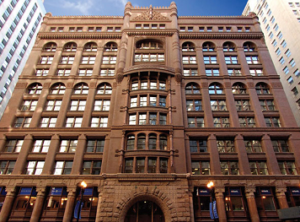
A REIT came to TEC for help with several elevator problems in a high-rise commercial building they had recently purchased. The building’s twenty-one (21) elevators had been modernized the year before the purchase. In fact, the REIT closed on the property just six months after the modernization passed inspection by the City elevator inspector.
The REIT reviewed the specifications for the modernization and spoke with the current service provider. Another elevator consultant (not TEC) had written the project specification and overseen the modernization. Believing they needed additional expertise, the REIT decided to hire an elevator consultant.
Almost immediately after closing, the building began experiencing significant elevator issues such as poor ride quality, frequent downtime, and leveling problems. The REIT initially assumed the service provider had neglected preventative maintenance during the ownership transition. However, the issues escalated. They could not understand why the elevators performed so poorly after a recent modernization. After several unproductive meetings with the service provider, the REIT turned to TEC for assistance.
Following multiple meetings and deep diagnostics, TEC uncovered a major oversight. A critical component of the modernization—considered both industry best practice and common sense—had been skipped. This omission saved the seller millions of dollars but left the building with costly problems. The REIT later realized that a small upfront investment of just a few thousand dollars in proper consulting would have saved them $2.1 million. Explaining that kind of oversight to investors is no easy task.
Code Upgrades
Another REIT just closed on a high-rise commercial building with 18 elevators and 4 escalators. The REIT conducted a property assessment by a company who provides a detailed report with little information on the elevators and escalators. The elevator service provider said the equipment was in good shape. They showed the REIT the inspection certification and maintenance logs that the elevator service provider keeps in the home office. However, the REIT did not hire an elevator consultant or vertical transportation consultant. The REIT did not know that there was a code upgrade that was due about 60 days after the building transaction close. This resulted in a several million dollars capital expenditure, drastically impacting the investment of the property. The elevator service providers are not required to inform the REIT of any upcoming code requirements.
This is very common even when there is not a code upgrade. The REIT strictly relies on the property condition report. A property condition report with an elevator component is far different than having an elevator or escalator expert review the equipment and present their findings!
We have several proactive REIT clients for whom we are conducting due diligence as a competitive advantage and negotiate leverage prior to purchasing a building. We assist in whatever capacity our clients see fit. This can result in money being put in escrow to fix the elevators. The deferred maintenance is being completed prior to closing on the property. You also get a true snapshot of the condition of the equipment, the preventative maintenance service receiving, estimated projected life cycle, and many other cost-saving measures.
Hiring a Vertical Transportation Consultant
The long and short of it is that if you are either the buyer or the seller, we can help. As top elevator consultants, we know what to look for, how to explain it to others, and how to estimate the potential cost and impact. Don’t “fly blind” by trusting documentation that looks “good” to you as the untrained eye. Instead, hire an elevator consultant that has the expertise to know what to look for and how to explain the costs to everyone in the room.