
elevator due diligence

How to Deal with Elevator Water Damage

Water damage can be a significant problem for building owners, especially when it affects essential systems such as elevators. If your building’s elevator has been exposed to water, it’s crucial to take immediate action to ensure the safety of everyone involved. Address the damage and navigate the insurance process effectively.

What you should consider in dealing with elevator water damages

Here are some important steps to consider:

Prioritize Safety

The safety of all individuals within the building should always be the first concern. In the event of water damage, the building’s authorized individuals should assess the safety of the area and evacuate it if necessary. Safety is the utmost important issue.

Identify the Source of Water Damage
elevator water damage

Determining the source of the water damage is critical in understanding the extent of the problem and finding the appropriate solutions. Water damage to your building’s elevator can result from various sources, such as a broken pipe on a higher floor, roof leaks, flooding, or other causes. Once the source is identified, further steps can be taken to repair and restore the elevator to its normal functionality.

Document the Damage

To support your insurance claim, document the damage to the elevator and the surrounding areas. Take clear photographs and videos that clearly show the extent of the water damage. Documenting the source of the water, if possible, is advantageous. These visual records will serve as crucial evidence during the insurance claim process. Additionally, maintain thorough documentation of all communication with the insurance company, elevator technician, and any other parties involved.

Contact Your Elevator Service Provider

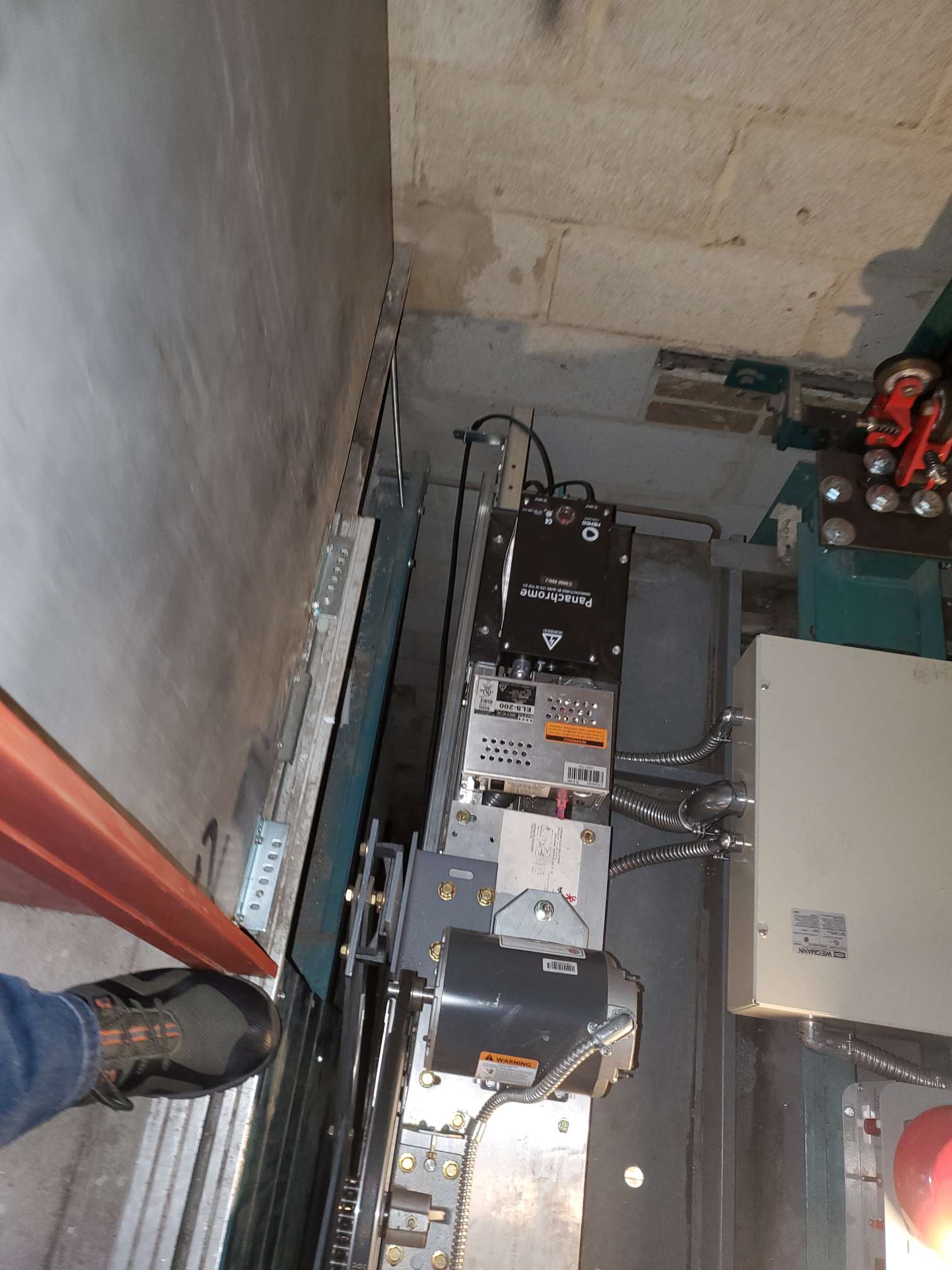
Immediately contact your service provider to survey the elevator and assess the extent of the damage caused by water. Water can cause severe damage to different parts of the elevator system, including equipment, control panels, and electrical connections. Pit equipment and more can also be affected. The technician will conduct a thorough examination and provide a detailed report on the damage. The report will include necessary repair or replacement measures, including cost. Always work with your insurance company on coverage.

Contact Your Insurance Company

Notify your building’s insurance company as soon as possible to report the water damage. Provide them with details regarding the incident, including the source of the damage. Also, detail the steps you’ve taken so far. Follow their guidance regarding documentation requirements and any specific procedures you need to follow. Your insurance company will guide you through the claims process and provide assistance in addressing the damage and associated costs.

Water Removal and Drying

To mitigate further damage and prevent the growth of mold or mildew, it’s crucial to remove any water from the elevator as quickly as possible. Utilize appropriate equipment to extract the water thoroughly. Once the standing water has been removed, employ items like dehumidifiers, fans, and other drying techniques to dry out the affected areas effectively if recommended by authorized building personnel. Ensure that all moisture is properly eliminated to avoid long-term damage.

Electrical Component Inspection

Electrical components within the elevator system are particularly vulnerable to water damage. It’s essential to make sure the elevator technician assesses all wiring, control panels, and other electrical connections for signs of water intrusion or corrosion. If any damage is detected, these components should be thoroughly dried and inspected to ensure they are safe for operation.

Hire an Elevator Expert

It is always beneficial to hire an elevator consultant for elevator claims that are costly. Elevator consultants are professionals with extensive knowledge and experience in elevator systems and the elevator industry. They can provide expert advice and guidance throughout the repair process. This ensures that all necessary steps are taken and all repairs meet industry standards. Elevator consultants can also assist with evaluating the extent of the damage. They coordinate with insurance adjusters to ensure a smooth and successful repair process. An elevator consultant understands what the cost are for repairs, timeframe, and parts availability. They are also familiar with the various codes that may be affected when items need to be replaced. An elevator insurance claim can be complex.

Repairs and Restoration

After the extent of the damage has been assessed, repairs or replacements can be carried out. This may involve replacing damaged components, cleaning or replacing wiring, and ensuring that all electrical connections are secure and functional. The elevator service provider should make sure the equipment has been repaired/restored to pre-incident/damaged condition. Regular elevator maintenance should be returned to scheduled requirements in the service contract. This helps to prevent future issues and ensure the elevator’s longevity.

Water damage to your building’s elevator can be a complex and potentially dangerous situation. By following the steps mentioned above, working closely with your insurance company and elevator experts, and documenting the damage and repair process thoroughly, you can effectively address water damage to your building’s elevator. This ensures the safety and convenience of building occupants, minimizes downtime and helps restore the elevator to its normal functionality. An insurance claim for water can be a difficult situation and working through this process at a minimum can make for a smooth project.

Can Water Damage the Elevator?

Elevators are greatly harmed by water because it may cause corrosion in the mechanical components. Water may also cause short circuits in the electrical components. Reviewing systems to find any leaks and having specialized elevator maintenance performed regularly are always advised. Because of this, you need to exercise caution. Take the necessary steps to prevent damage to your equipment that might endanger the lives or integrity of those who use it.

Reliability-Centered Maintenance for Elevators in Your Buildings

Elevator cmAs a building owner or property manager, you know the importance of maintaining your elevators in the best condition. Elevators play an essential role in modern buildings, and their fully functional operation is necessary for the safety and comfort of users. However, more than traditional maintenance methods may be required. These methods may not keep your elevators running reliably and efficiently. Reliability Centered Maintenance is a methodology proven in numerous industries. It may be an option for your buildings.

What is Reliability-Centered Maintenance (RCM) for Elevators?

Reliability-Centered Maintenance (RCM) is a highly effective approach to maintaining elevators. It focuses on identifying and addressing potential failures before they occur, ensuring elevators operate safely and efficiently. There are several vital steps to take for RCM. One step is identifying the historical maintenance data and original equipment manufacturers (OEM) specifications. Another step is analyzing the various components of an elevator. You should identify potential points of failure based on the information gathered. RCM allows for proactive maintenance and repairs. This reduces downtime callbacks and minimizes costly repairs. RCM can also help extend the lifespan of elevators. This saves building owners significant costs over time. For any building owner or manager looking to ensure the safety and reliability of their elevators, RCM can be another option than traditional break-fix or callback maintenance.elevator maintenance

What are the Benefits of Reliability-Centered Maintenance for Elevators?

Adopting RCM for elevator maintenance offers several benefits for building owners and property managers. Reliability Centered Maintenance (RCM) is a powerful approach to maintenance management that emphasizes proactive measures to prevent equipment downtime, callbacks, and break-fix maintenance.

One significant benefit of RCM may be decreasing the break-fix maintenance. This approach can reduce unscheduled downtime, callbacks, and service interruptions. These can inconvenience users. Organizations can minimize unplanned downtime by implementing a comprehensive maintenance plan. This plan should include understanding the equipment, usage, and required maintenance. A building should always ensure its equipment is in top working condition. This improves productivity and efficiency and reduces the risk of costly breakdowns and repairs.

Secondly, RCM reduces maintenance costs by optimizing task frequency and duration. By performing maintenance tasks at the right time, building owners and property managers can potentially mitigate the need for emergency repairs, extend the lifespan of equipment, and lower overall maintenance expenses.

Thirdly, RCM enhances safety and compliance by correctly ensuring equipment functions and addressing minor issues before they become more significant.

Things to Consider with an Elevator Maintenance Service Agreement: Frequency and Coverage

All buildings, whether hotels, retail stores, hospitals, universities, commercial real estate buildings, apartment buildings, condominium associations, malls, or other types, have an elevator service contract. At least they should all have one. An elevator maintenance service contract gives buildings a sense of comfort. It ensures that their elevators, escalators, or lifts will be correctly serviced by the elevator service provider that holds the contract.

Variability in Elevator Maintenance Service Contracts

However, no standard elevator maintenance service contract exists between different service providers. There are all types. Some are one page, some are thirty pages, some have readable terms, and some are more difficult to decipher. Most of these contracts are similar in some aspects although different building types have different requirements for operations.Elevator Maintenance Service Agreement

Contracting with Licensed Elevator Contractors

An elevator service contract is contracted with a licensed elevator contractor, either union or non-union. This depends on the location of the building. It is incumbent upon the building owner or property manager to engage in an elevator service contract. This ensures the elevators are properly serviced. The building will usually gather numerous bids from multiple elevator service providers. They will invite the bidders to view the building’s elevators, escalators, and/or lifts. This is an important step so the service providers can understand the shape of the elevators. Once the service contracts are in hand, the building must decide which service provider to use.

Understanding the Scope of Work in Service Contracts

The service contract will have a scope of work, including multiple terms and conditions that state the area of work that falls under the contract. Because service contracts vary, it is challenging for the owner or manager to compare the bids they receive. The arrangements can be quite different. Interpreting them takes a lot of work, elevator knowledge, and legal review.

Key Elements to Clarify in Your Contract

Understanding what is in the contract is essential. Focus on the terms and what is included and not included in coverage. Also, consider the frequency of preventative maintenance and the type of cure clause. The building usually relies on the elevator service provider salesperson to explain the contract. The building needs to know if the service provider can service the elevators if parts are available for their equipment. Also, check if they are covered. Does the contract exclude anything that the building should be aware of? This is an unknown for most buildings.

For instance, if it says door equipment is included in the coverage of the contract, what does that mean? Is the entire door covered and all the door equipment on the door? Are these the door assemblies? What exactly is covered? It is difficult for someone not in the elevator industry to know the different parts and components of the elevator system. It is also critical to clarify the meaning of phrases such as “systematically and periodically” or at the “discretion of the service provider.”

The building is left to determine which contract will cover its elevators and escalators without having industry knowledge. Understanding one without elevator experience is critical. This knowledge is essential to knowing the actual components covered in your contract. A building owner or manager must understand what is covered in the contract. Knowing this is key to understanding what they are committing to for the next 3 to 5 years.

Defining Maintenance Frequency in the Contract

Next, somebody should review the other parts of your maintenance agreement. This includes the frequency of preventative maintenance service the elevator will need. As mentioned before, when the language “systematically and periodically” or at the “discretion of the service provider” is used, what does it mean? These terms do not tell you when somebody will service the elevators. The equipment needs more than systemically and periodic service language. It is important to define when somebody will service the equipment.

Code Compliance and Maintenance Requirements

The ASME A17.1 code, pending the year the elevator is under, requires quarterly maintenance at a minimum. Most states require quarterly maintenance. However, the elevators may need more based on numerous factors. These include the age of the equipment, the usage, parts availability, and the condition of the elevators. The elevators in the building may need monthly maintenance.

There are many factors to consider when engaging in a new maintenance service contract, which we will discuss further in future posts, such as building usage. The building owner must carefully vet potential service providers to understand what service the elevators need. Whether you have one elevator or five hundred elevators, it is relative.

There are also different needs per industry; hospitals differ significantly from retail. Commercial buildings may be similar yet have other operational requirements. Make sure your choice of an elevator service provider is informed and based on research. Stay tuned – The Elevator Consultants will continue to post about other important factors when negotiating a new elevator maintenance service agreement.

New Elevator Installation in an Existing Building

Installing a new elevator in an existing building structure that did not previously have an elevator is a complex endeavor. This requires extensive planning and preparation. Several key factors must be considered such as the requirements of the building, building codes and regulations, shaft dimensions, and capacities, to name a few. 

Selecting the appropriate elevator design for the application is also important

What kind of elevator will be installed – traction elevator, hydraulic elevator, or machine-room-less elevator (MRL)? The next thing to be determined is what will the entire system look like. From the mechanical to the aesthetics of the interior, this must be defined. A new elevator installation requires focusing on several critical attributes. These include structural details, mechanical details, fire life safety to end-user experience, not to mention all the other elevator and non-elevator code requirements. It is common to think that it is a straightforward project, like putting in a new bathroom. However, it is complex and takes the efforts of multiple trades. 

Prudent planning and strong partnerships with an experienced team are key for a flawless elevator installation within the desired timeframe and budget.

Upfront planning will yield a successful project and lay the foundation for reliable elevator operation for years to come. Below are some important things to consider when installing a new elevator in a building that has not had an elevator previously. 

The Importance of Proper Elevator Installation 

New Elevator Installation

Elevators are complex systems that require expert installation. Proper planning and involving the right trades, especially professionals with elevator experience, including an elevator consultant, ensures that elevators operate safely, reliably, and in compliance with regulations while also looking aesthetically appealing. Adding elevators to a building provides long-term value for both building owners and tenants.

8 Important Things to Consider for New Elevator Installation

By considering these key factors early in the process, you can ensure the elevator suits the building and meets all safety regulations and usage requirements.

Viability of adding an elevator in an existing building 

Determine the ideal location for the elevator to be installed so that it can properly provide the service expected. Keep in mind the flow of traffic in the building, expected usage, and the people who will use it.

Building codes and safety regulations 

All elevator-related and non-elevator-related local codes must be followed. It is common to forget the non-elevator work, like fire life safety, climate control, foundation work, plumbing for the sump pump in the pit, etc. Understanding the various trades required for elevator installation is imperative. 

 Shaft spacing and dimensions 

The elevator shaft should accommodate both elevator and non-elevator requirements. The local jurisdictional authority determines the specific standards, including whether sprinklers are necessary, based on the type of elevator, the climate control requirements, and other relevant factors. Ensure proper spacing and dimensions to fit the entire elevator system along with non-elevator-related systems. Incorporate these specifications into the project design well before construction begins.

Power supply and electrical

An adequate power supply must be provided. This is often overlooked. Ask the question – Is the electrical for my building sufficient for the elevator system and the other non-elevator components? If more power is needed for the new elevator installation, the building must work with an experienced electrician who has experience with elevator installations. 

 Load and passenger capacity 

The requirements of the building must match the correct elevator installation. The building requires an elevator system that meets its operational needs.This includes considering other codes and requirements such as ADA requirements and stretcher code requirements. There are several factors to discuss regarding the size of the elevator when taking into consideration the people who will be using the elevator. The number of passengers must suit the intended building use and projected traffic levels. This will determine elevator size and speed.

Elevator Type

The building must consider if they will install a hydraulic type of elevator or a traction type elevator. Then they must decide if they will use a proprietary or nonproprietary system. They must ask the question, “Is there room for a machine room, and how deep of a pit do I need?” Who will install it? Understanding the pros and cons of each type of equipment for the needs of the building is key. This includes speed, capacity, life cycle expectancy, and other factors for a proper decision and installation.

The elevator system

The elevator system consists not only of one type of elevator but several other components. An important part of the planning process is determining what type of doors to use. What type of motor, what type of door curtain, what type of safeties, door operators, what type of fixtures, along with several more components. Knowing what the best new elevator installation is for the building to have a superior product for their money is the goal. 

 Other considerations

Accessibility and non-elevator work is important to identify. In some cases, these needs can halt the installation of the elevator. They can be extremely costly. Make sure you understand all the costs upfront, not just the cost of installing a new elevator. This upfront work can eliminate any costly unknowns during the process. 

The ElevatorApp, elevator service monitoring software, can be used to track the day-to-day installation to ensure the project is on time and within budget. This advanced monitoring software is designed to streamline your elevator operations. Giving you a heightened level of control over your building’s elevator system, lessening risks, and reducing unnecessary costs.

These are just a few key points to understand when installing a new elevator. The Elevator Consultants have the experience building owners need when going through this process. Having an expert team that fully understands your building’s needs and can match the right equipment for the building is a priority. The building should have all the information needed to make an informed decision, as well as have all construction meetings during installation. 

Elevator Challenges Parts Availability & Elevator Modernization

The phrases “You need to modernize,” “We can’t get your parts,” and “Your equipment is too old” have become all too familiar for owners and managers of buildings with elevators these days. It is prevalent across buildings of every size. It affects organizations nationwide. This prompts building owners and managers to seek solutions.

The Role of Elevator Consultants

So, what do owners do when faced with these issues? Understanding the options buildings have to keep their elevators operational is imperative for the organization’s operations. That is where an elevator consultant comes in.

Elevator consulting firms often encounter clients who have been informed by their service providers that certain parts are unavailable or that an elevator modernization is required. If a building is informed that certain parts are not available, an elevator consultant can determine whether the parts are genuinely unavailable. Alternatively, they can see if they have become obsolete. They can also determine if the part can be repaired. They can find out where it can be fixed. Moreover, they can locate where hard-to-find parts can be obtained.

Expertise in Elevator Parts and Services

Different elevator companies service different parts of elevators. They can either fix them or refurbish them depending on their expertise. These companies are known to elevator consultants. If there are other similar elevators in the company’s portfolio, there may even be an opportunity to do some value engineering. This is usually not the case for most buildings. However, it is something that should be investigated. A skilled elevator service technician with experience working on a particular piece of equipment can keep an elevator up and running. Conversely, the equipment may encounter more issues when this technician stops servicing the equipment.

The elevator labor pool with experience servicing older equipment is scarce. Technicians with this skill set are simply not as common in the marketplace anymore. Once a building has exhausted all its options to keep the elevator running, a modernization may be necessary. If you believe an elevator modernization is not an option, it is important to make sure that you do your due diligence.

When Modernization is Necessary

Just because an elevator is old or parts are scarce is not always a reason for modernization. However, there are situations when a building will need modernization. Working with an elevator consulting firm will help in determining this, bearing in mind that modernization should never be delayed if there are safety ramifications involved. Recognizing that many buildings simply cannot afford an elevator modernization, a building can, and should, look at creative ways to afford a modernization.

Elevator Audits and Cost-Effective Solutions

If a building hires an elevator consultant, they will share options for the building. They may conduct an elevator audit to view the equipment and parts and will give the building the cost benefits and options. Elevator consulting firms understand the current economic times and the challenges buildings are facing. They will work with their clients to find an economical and safe solution that meets the operational needs of the organization.

Elevator Due Diligence in Building Sales

Another area where unplanned modernizations arise is when a building is being sold. Many buyers do not perform elevator due diligence on the elevator when purchasing a building. If the elevator has passed inspection by the authority having jurisdiction, they often overlook elevator due diligence. In other words, the elevator has the certificate in the elevator or the manager’s office. Also, the elevator company says they have been maintaining it properly. The building often feels it’s unnecessary to conduct an elevator due diligence. There are also cases when the seller discloses that they did a modernization when it was only a partial elevator modernization. This leaves more work to be done. When buying a building, one should engage with an elevator consulting firm to do elevator and/or escalator due diligence on the equipment before purchasing.

Real-Life Example: Post-Purchase Issues

Here is a real-life example of why a building should engage the services of an elevator consultant when buying a building. The buyer of a building hired an elevator consultant after they bought the building due to issues with the elevators. The buyer was initially told that an elevator modernization had just been completed before the sale of the building. The seller shared documents with the buyer to support this claim. The buyer reviewed the report and was satisfied with it. However, the client, the buyer, was not aware that the machines had a problem in the industry. This was because they were not elevator experts.

After purchasing the building, the buyer hired The Elevator Consultants since they were having elevator issues almost immediately after the purchase. The buyer thought it was the service provider not performing proper maintenance, which was not the case. The Elevator Consultants conducted an elevator audit and uncovered the machine issue. It turns out that the machines were not replaced as part of the modernization. This left the buyer looking at over a million dollars to replace them. The cost of elevator due diligence is a fraction of an elevator due diligence. If it had been done before the sale of the building, it would have saved the buyer a lot of money.

Real-Life Example: Parts Scarcity

Here is another real-life example of the benefit of hiring an elevator consultant, this time concerning parts scarcity. Our client was told by their service provider that they had to undergo an elevator modernization because parts were not available. Parts are scarce these days not only because of ongoing supply chain issues but also due to the material used to make parts for elevators and escalators. It seems it is more economical for elevator companies to mark parts as obsolete and create new products. The client was preparing for the modernization, but we were able to find out that the part could indeed be repaired. This meant that the elevator would be down for a few weeks. Yes, it would stress the workload of the other elevators. Nonetheless, it was a much more cost-effective option to get the part fixed versus the expense of a modernization.

Long-Term Benefits of Elevator Consulting

Engaging the expertise of an elevator and escalator consultant proves invaluable whenever these issues are in play. While initiating contact with such a consultant might require a bit more time, the long-term benefits are undeniable. These consulting firms specialize in addressing all matters related to elevators and escalators. They serve as dedicated advocates to safeguard their clients’ interests and investments.

Out with the Old, In with the New: Strategies for Elevator Modernization

The lifespan of an elevator depends on many different factors, but on average, elevators can last at least 25 years. At some point, a building will need to consider if it’s time for elevator modernization. Elevator modernization consists of updating or replacing existing equipment and parts such as controllers, machines, and doors (among others). When embarking on this process, having effective strategies for elevator modernization in place can make a significant difference. Building management may choose to modernize an elevator for many reasons; however, poor performance and escalating repair costs usually drive the decision. Furthermore, the elevator service provider might recommend elevator modernization in cases where the elevator is past its life cycle. It may also be difficult to service, require obsolete parts, or the company simply does not have a technician who can work on the older equipment. 

Requesting a Proposal for Elevator Modernization

Typically, the first step a building may take for an elevator modernization process involves requesting a proposal from the current elevator service provider. The proposal should include:

  • scope of work,

  • a detailed list of new equipment,

  • expected timeline, and

  • other important details.

At this stage, building owners should pay close attention to the proposal and be sure that it includes everything needed for the job. Likewise, the proposal mustn’t contain unnecessary or hidden costs.

Comparing Multiple Bids

Another standard practice is to collect bids from a few different elevator service providers for the elevator modernization project. Although it takes longer to go through the bid process, the extra step of due diligence is likely to lead to a more informed decision. Once building management has several elevator modernization proposals, they should review them for consistent scopes of work (line item by line item). However, the bids will likely not be the same, and there may be some back and forth with the elevator service providers until the proposals are comparable. The building owner should also be mindful of non-elevator work.

Challenges for Building Owners

The main challenge here is that most building owners are not elevator experts. There are technical specifications and jargon that only an experienced elevator veteran would know.

Without full elevator knowledge, buildings cannot clearly determine what is missing or what is required to meet their needs. Building owners should ask questions such as:

  • Is a door package included?

  • Will the machine be reused or refurbished?

  • Will the essential equipment be proprietary or non-proprietary?

  • Does the scope include non-elevator work in fire life safety, general construction, and electrical?

And many other questions to meet the requirements of the building. The building owners need to understand the requirements of the building elevator system for a successful elevator modernization implementation.

Revising and Reviewing Proposals

If the proposals overlooked any of these elements, the elevator companies should add them and submit revised proposals. Once the building receives the updated proposals, management can compare them to determine which one is the best fit. But, as mentioned previously, without having elevator expertise, most people will have a hard time understanding these proposals, let alone identifying what is missing. Nevertheless, the building has specific goals for the elevator modernization project, including meeting a budget and timeframe.

Because a successful elevator modernization project requires so many operational decisions, building management may want to enlist the help of an elevator consultant to decipher proposals and review options. Alternatively, building management can bring in an elevator consultant to oversee the entire modernization project from beginning to end.

Elevator consultants are valuable because they protect the building by ensuring a proper modernization based on requirements and budgets, including the non-elevator work. A consultant will conduct a site visit to determine the work needed, prepare a scope of work or elevator modernization specification, bid out the project, review bids and budgets, and monitor the modernization process itself.

Achieving a Successful Modernization

An elevator consultant can help buildings achieve the results they’re looking for. They ensure the job is completed correctly, delivered on time, and priced fairly. Project success requires confirming that the scope of work and specifications align, budgets remain controlled, and schedules stay on target for implementation.

Overall, elevator modernization is a large project with several nuances and ramifications that building teams must address upfront to achieve a timely and cost-effective outcome. Hiring an expert plays a key role in creating a smooth process. An elevator consultant guides the building through the numerous technical steps professionally, delivering a fully modernized elevator that operates reliably for many years to come.

Top 7 Considerations as Buildings Operate amid the Pandemic

CHICAGO—December 31, 2020 The COVID-19 public health crisis has changed almost every aspect of our lives, including how we use buildings. These days, it’s important to accommodate a building’s changing needs while keeping everyone safe. Acting as the building’s main artery, elevators play an essential role in managing the risk of COVID-19 transmission.

Although there is no official rulebook for handling a situation like this, there are some important considerations for building owners and property managers to keep their elevator buildings running smoothly while COVID-19 restrictions are in place.

1. Do a traffic study

People are returning to work in different capacities. What will the flow of tenants look like as they try to return to their offices? For example, when are the busiest and slowest times? What are the average wait times and the longest wait times? Patterns in elevator usage can help buildings assess their current operations and adjust accordingly.

2. Post guidelines for social distancing

The CDC recommends social distancing, which can be challenging in the confined space of an elevator. Depending on the elevator’s size, some buildings have limited the number of riders to only 2, 3 or 4 at a time. These guidelines are posted and often include reminders to stay 6 feet apart.

3. Install fans, filters or lights

It has been stated that COVID-19 spreads through respiratory droplets that can remain in the air and drift around with air currents. Although there is no proven solution to address this threat effectively, some buildings have evaluated installing fans and filters to control air flow and UV lights to disinfect the spaces.

4. Limit touchpoints

To combat infected surfaces, some building owners have limited the need for physical contact by applying an antimicrobial film on the elevator buttons, using touchless technology, or even using security or a dispatcher to control the elevator for riders. At minimum, most buildings are providing masks, hand sanitizers and wipes to provide protection in shared spaces.

5. Stay on top of maintenance

Because buildings have remained open at some capacity during the pandemic, elevators are expected to be able to perform day-to-day operations without issues. This is a great time to review the maintenance records and ensure all work is up to date.

6. Renovate/repair during slow times

If elevators are not used as frequently due to a lower building occupancy, it could be an ideal opportunity to complete preventative maintenance, repairs, or upgrades. Elevator service providers are essential workers and ready to work.

7. Protect your investment

The costs of operating an elevator building are expensive, but any downtime, repairs and non-compliance fees can add up quickly. Building owners and property managers can review the contract for their elevator service provider and ensure they are getting the services and items they are paying for. It is a great time to review the details of your contract and verify compliancy.

These steps can not only help a building operate efficiently and safely, but also may help you save money while weathering COVID-19. As a reminder, always check with your federal, state and local officials on all COVID-19 requirements for vertical transportation operations. Why worry about your elevators when you can get to know them, visit www.theelevatorconsultant.com to request a copy of The Elevator Playbook, and for more information on how The Elevator Consultants can help you with you elevator management needs, please visit www.theelevatorconsultant.com